
SCADA — Supervisory Control and Data Acquisition — connects your field equipment to one central system. Pumps, meters, sensors, and panels all feed into a single point of monitoring and control. In practice, this functions as a remote monitoring system, giving you visibility into distributed operations without requiring on-site checks at every location.
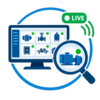
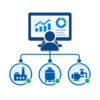
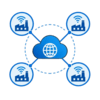

Startech brings together industrial IT, automation, networking, and hands-on technical support to deliver SCADA integration tailored to your project’s real needs. As an experienced industrial automation system integrator serving the GCC, Startech works with your existing hardware rather than requiring a complete system rebuild.

Two decades of proven industrial IT and automation expertise

Direct access to established, trusted industrial technology.
Reliable coverage across the UAE, Saudi Arabia, and Oman.
Design, commissioning, and support — one partner, start to finish.
Hands-on assistance with deployment and commissioning.
Reliable connectivity for demanding industrial environments.
No matter where your sites are, our SCADA integration and remote monitoring solutions connect your equipment and operational data to a centralised dashboard.
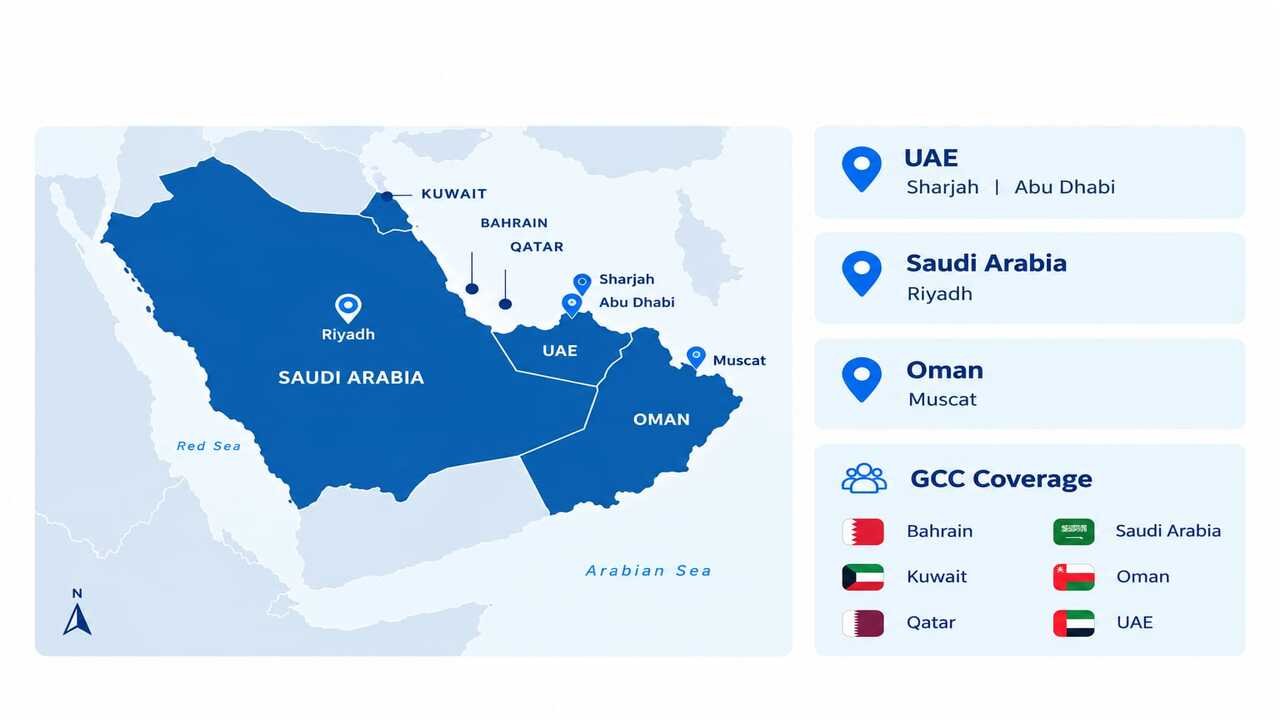

Remote monitoring across pumps, treatment plants, and distributed water networks.
Connected monitoring for environmental and process applications across facilities.
Centralised monitoring of interconnected power-sector equipment and infrastructure.
Connected shop-floor systems that share operational data in real time across every facility.
Automation for commercial and residential infrastructure.
Integrated into the wider facility network rather than isolated.
IoT-based monitoring for smart city infrastructure.
Secure data transmission from the plant floor to analytics.